
What Is Diabetes? Types & Cure
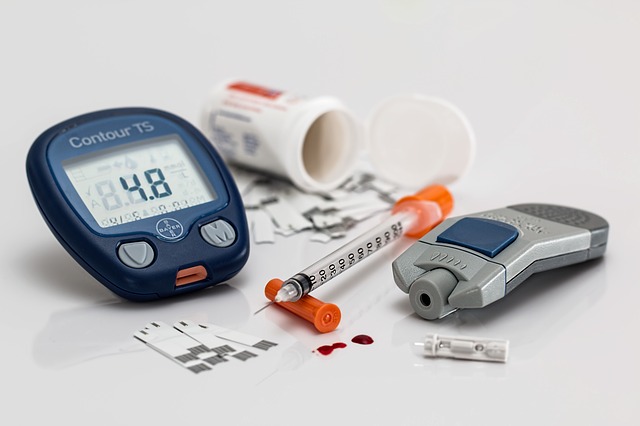
Diabetes is an life-long health condition. Diabetes can be reversed if you followed a healthy lifestyle. It is a condition in which the body cannot control blood sugar levels. A problem with the hormone insulin is the major cause of diabetes.
Diabetes is a disease that occurs when your blood glucose, also called blood sugar, is too high. Blood glucose is your main source of energy and comes from the food you eat. Insulin, a hormone made by the pancreas, helps glucose from food get into your cells to be used for energy.
Diabetes is a chronic condition where the body is either unable to produce insulin or properly utilize the insulin produced. India till recently was known as the Diabetes capital of the world, it is now second to China. According to a report released by WHO in 2012, diabetes was directly responsible for 1.5 million deaths, making it the 8th leading killer disease. One needs to remember that Diabetes can also indirectly influence certain fatal conditions in the human body, making it difficult for us to get a number on all the deaths caused by Diabetes, the official figure, however, add another 2.2 million deaths where diabetes was an underlying cause.
All about Diabetes: Types, Causes, and Symptoms, Treatment
It is one of the top 5 chronic diseases of India and it is estimated that nearly 5%- 7% of the total Indian population suffers from diabetes, when translated to numbers more than 62 million Indians suffer from Diabetes and nearly 1 million die because of the disease. Future predictions from several health organizations claim that India will see a significant rise in the number of diabetic patients between 2030-2035, with projected numbers ranging between 79.4 million in 2030 to 109 million by 2035.
Despite diabetes being one of the most widespread diseases as well as a leading killer and one of the most talked about disease in India, the larger Indian public remains ignorant of the nature, causes, diagnosis, and treatment of diabetes.
Diabetes: Brief Introduction and History
The metabolism of the human body is the function or process through which, the body absorbs digested food and converts it into energy. Metabolism as a process is aided by several organs, one of those organs is the pancreas tasked with the production and optimum utilization of a hormone called “Insulin” which breaks down and absorb glucose from our bloodstream and converts it to energy. Diabetes Mellitus is a group of metabolic diseases triggered because the body is either unable to produce or sufficiently utilize the insulin produced by the pancreas to absorb glucose and convert it to energy. One of the most obvious symptoms of diabetes is the tendency for frequent urination.
It is this observable urge to frequent urination which led the 2nd century BC a Greek physician called Aretus the Cappadocian named this disease as “diabainien” which literally means the “the siphoning disease”. “Diabetes” became the popular English adoption of this Greek name. In 1675, Thomas Willis added “Mellitus” Diabetes, Mellitus as a word is derived from the Latin word “Mel” which means sweet, thus changing the name of the disease to literally mean “siphoning sweet liquid.”
Incidentally, the ancient Chinese and Indian physicians also observed that some individuals suffered from a disease causing them to pass off sweet urine (it is believed that ancient Chinese physicians, observed that ants were attracted to the urine of some people, because it was sweet); Sushruta, regarded as the Father of Surgery named this disease “madhumeha” which when translated also means “sweet urine”.
Types of Diabetes: Causes, and Symptoms:
The national average age of diabetic patients in India is around 43 years, however, the age of diabetic patients may range anywhere from 10 years- 65 years. Diabetes as a disease can progress in several years with no symptoms or in a few weeks with aggressive symptoms depending on the type of diabetes one has contracted. Despite diabetes showing similar symptoms, modern science has divided diabetes into three major types:
1. Type I Diabetes:
Our immune system works tirelessly to fight off any alien harmful threats to our bodies, however, sometimes, the immune system of a body becomes overactive and considers even normal bodily functions as hostile and attacks them, a disease caused because of the immune system’s interference into regular bodily functions is known as autoimmune diseases. Type I diabetes is an autoimmune disease, where the immune system has attacked the pancreatic function to the extent that the organ is unable to produce insulin, leading to a rise in blood sugar.
Type I diabetes generally shows symptoms at an early age, mostly by adolescence, however, there are instances where the disease has been delayed till young adulthood and in some cases even older ages. When Type I diabetes develops at a later stage in life it is also known as latent autoimmune disease.
There are several reasons which can trigger the immune system to work against the body, environmental change is one, other causes of type I diabetes are:
- Genetic Susceptibility
- Family History: Type I diabetes in a close blood relative
- Infections
- Viruses
- Diet during infancy and early developmental stages
Symptoms of Type I Diabetes:
Apart from the average ages at which an individual can develop type I and type II diabetes, the symptoms for both are nearly similar. Symptoms of type I diabetes include:
- Fatigue
- Low Blood Sugar
- Frequent Urination
- Extreme Hunger
- Nausea and Vomiting
- Weight Loss
- Extreme Thirst and Hunger
- Change in the shape of eye lens causing blurry vision
- Sores on the soles of feet
2. Type II Diabetes:
Type II diabetes is a slowly progressing disease where the body is unable to optimally utilize the insulin produced by the pancreas which is to say that the body develops insulin resistance, in later stages of the disease, pancreas completely lose the ability to produce insulin. Nearly 90% of diabetic patients suffer from type II diabetes. A few decades ago diabetes was a problem in the developed world, but it has now become extremely widespread in developing nations. This change in demographics is a direct result of the development of cities and change in lifestyles.
- Obesity
- Lack of Exercise or degenerative lifestyle
- Gender: Females are more prone to type II diabetes
- Race and Geography
- Insulin Resistance
- Age and Family History
- Prediabetes: Prediabetes is a situation where a person’s blood sugar levels are higher than normal but not high enough to be regarded as diabetes. Individuals suffering from prediabetes are at risk of developing diabetes at a later stage in their lives.
Type II diabetes generally takes years to develop and show symptoms. The average age of type II diabetes in India is 42.6 years, and while its symptoms and diagnosis are same as that of type I diabetes, it is caused due to completely different reasons:
Symptoms of Type II Diabetes:
While we have tried to establish that Type I diabetes generally develops rapidly in children and adolescents, while Type II diabetes develops in adults, it should be noted and acknowledged that diabetes is a versatile disease, where adults in their later years can develop type I diabetes which is generally observed in children, and children can develop type II disease. Symptoms of type II diabetes are similar to type I diabetes and include:
- Weight loss without any efforts
- Irritability
- Confusion
- Slower healing for sores and cuts
- Frequent urination
- Extreme thirst and hunger
- Tingling of nerve ends
- Rapid Heartbeat
3. Gestational Diabetes:
Gestational diabetes is a periodic disease, a pregnant woman with no history of diabetes or high blood sugar may develop it during the later months of her pregnancy, however, gestational diabetes goes away after the birth of the child. If detected and treated on time, gestational diabetes have no consequences to the health of the child, but if gestational diabetes is not detected at all or poorly managed it has severe consequences for the child, although, the child may not be born with the disabilities that children born to the women suffering from diabetes before pregnancy are born with, they, however, face other health issues.
During Pregnancy, the placenta makes hormones to support the growth of the baby, however, these hormones may interfere with the normal bodily functions of the mother’s body, especially, with the function of insulin. This leads to a rise in the mother’s blood sugar, which sends the mother’s pancreas into overdrive and still not be effective enough. While insulin produced by the mother’s body may not enter the baby’s body through the placenta, her blood sugar may, which then increases the blood sugar in the baby’s body, sending its pancreas to overdrive. When the baby’s body and the hormones produced are not able to absorb the blood sugar being pumped into its body easily, the blood sugar is stored in its body as fat. This makes the baby fat, increasing the risk of shoulder damage during a natural childbirth. There is also a chance of obesity in the child, as well as the risk of developing type II diabetes in adulthood.
Gestational Diabetes is the third most prevalent kind of diabetes and can possibly be a cause of development of type II diabetes in women, later in their lives. While the American average of gestational is around 10%, the Indian average is the highest in the world with 26.3%. While gestational diabetes can develop in any pregnant woman, the at-risk groups include obese women, women with prediabetes before pregnancy, have given birth to fat babies, have already suffered with gestational diabetes before, given birth to stillborn babies or babies with certain de